

My story
How Igot here.
The long version, including the parts I used to leave off the resume.
(11) Chapters
- 01An attic apartment in Jamaica, Queens.Growing up
- 02The first script.2017
- 03A full ride, then the door.2017
- 04Columbia University, three months.2019
- 05BMCC. Dropped out. Again.2020
- 06First salary job with benefits: $75,000.Jan 2022
- 07Nearly doubled it.Oct 2022
- 08Health tech raised the bar.2022–2025
- 09$170k, and still learning.Jul 2025
- 10The degree, finally.2024–2026
- 11Same kid from Queens.Now
Growing up
An attic apartment in Jamaica, Queens.
For the first thirteen years of my life, home was the attic apartment of a house in Jamaica, Queens: the top floor, tucked inside two peaked roofs. It was so small that every room was barely a room, but somehow it had everything we needed.
We didn’t have a lot. My dad ran a small business and worked hours that didn’t make sense, and he still showed up when it mattered.
I’m very introverted and reserved, but when I get to know someone, I can be very loud and passionate about the things I care about.
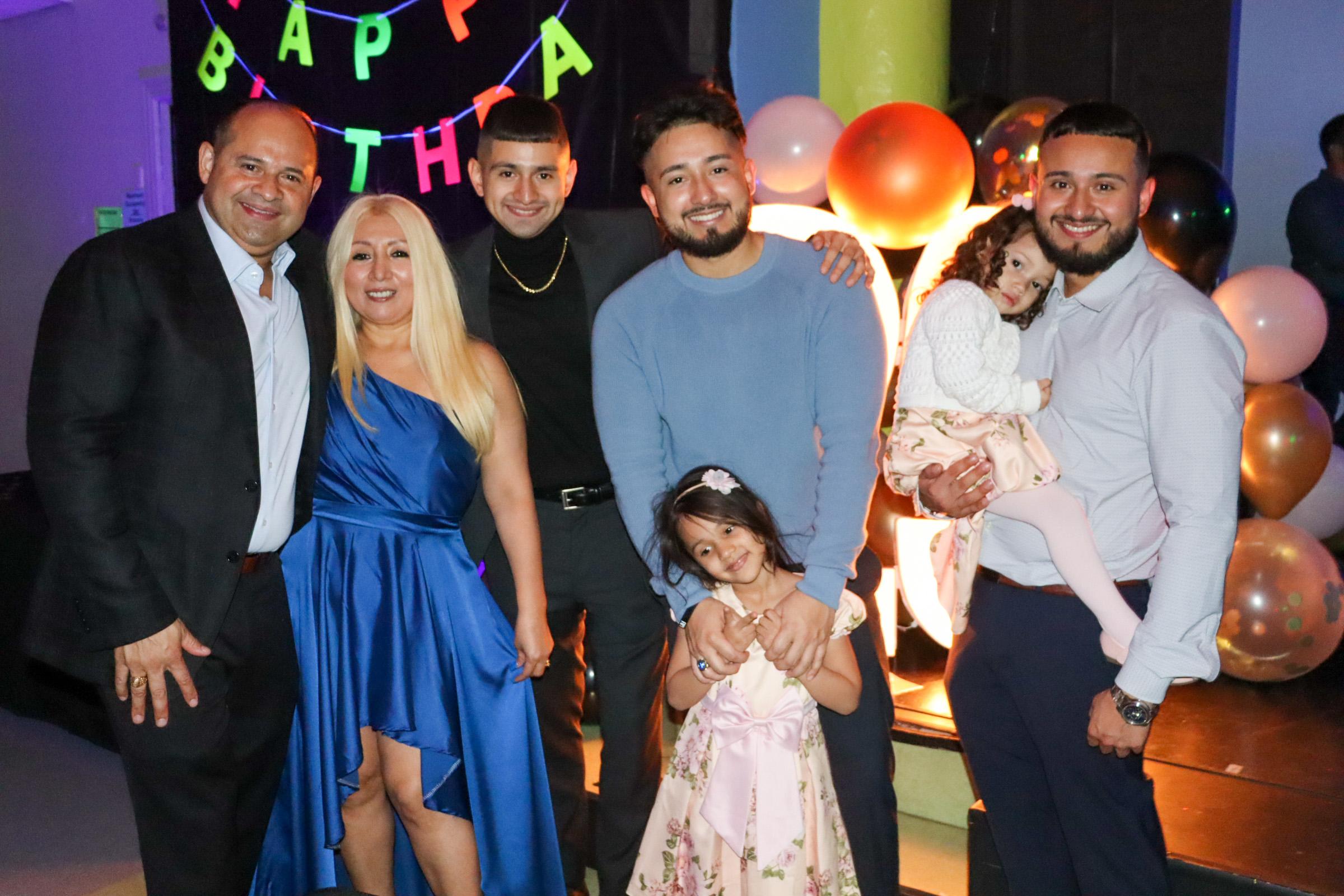
My Ohana. 2017
The first script.
I started coding in 2017 to make my dad’s life easier. His business ran on tedious data entry, so I taught myself enough to write scripts that did it for him. Watching him use something I built was the moment it stopped being a hobby.
For about a year, that was the routine: work during the day, teach myself to code at night. No degree, no bootcamp yet. Just docs, tutorials, and a lot of broken code.
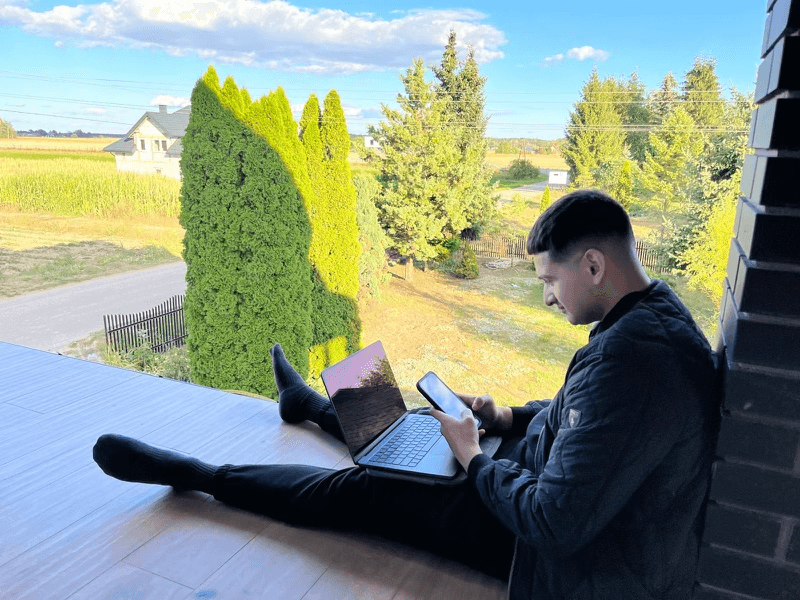
Working remotely. 2017
A full ride, then the door.
I got a full ride to Baruch College (they actually paid me to go with financial aid). I found out Baruch didn’t offer a computer science degree at the time.
So I left. Walking away from free school felt insane. I did it anyway.
2019
Columbia University, three months.
May to August 2019: the Columbia Engineering Coding Boot Camp. Three months of full-stack JavaScript, group projects, and finally being around people who wanted the same thing I did.
That program doesn’t exist anymore. It shut down. But I believe it was the best decision I made. It’s where I connected the missing gaps in my knowledge and started building for real.
2020
BMCC. Dropped out. Again.
I gave school one more shot, this time at BMCC. By then I was already writing production code, and sitting through intro classes for a piece of paper felt backwards.
I dropped out. Again. Two schools, zero degrees, and a portfolio that was getting better every week.
Jan 2022
First salary job with benefits: $75,000.
In January 2022 I landed a contract-to-hire software engineering role at $75k a year. It was my first salaried job with benefits, and I treated it like an audition: deadlines, bugs in production, and learning the difference between code that works and code that’s good.
$75k. For a kid from an attic apartment in Queens, that number didn’t feel real.
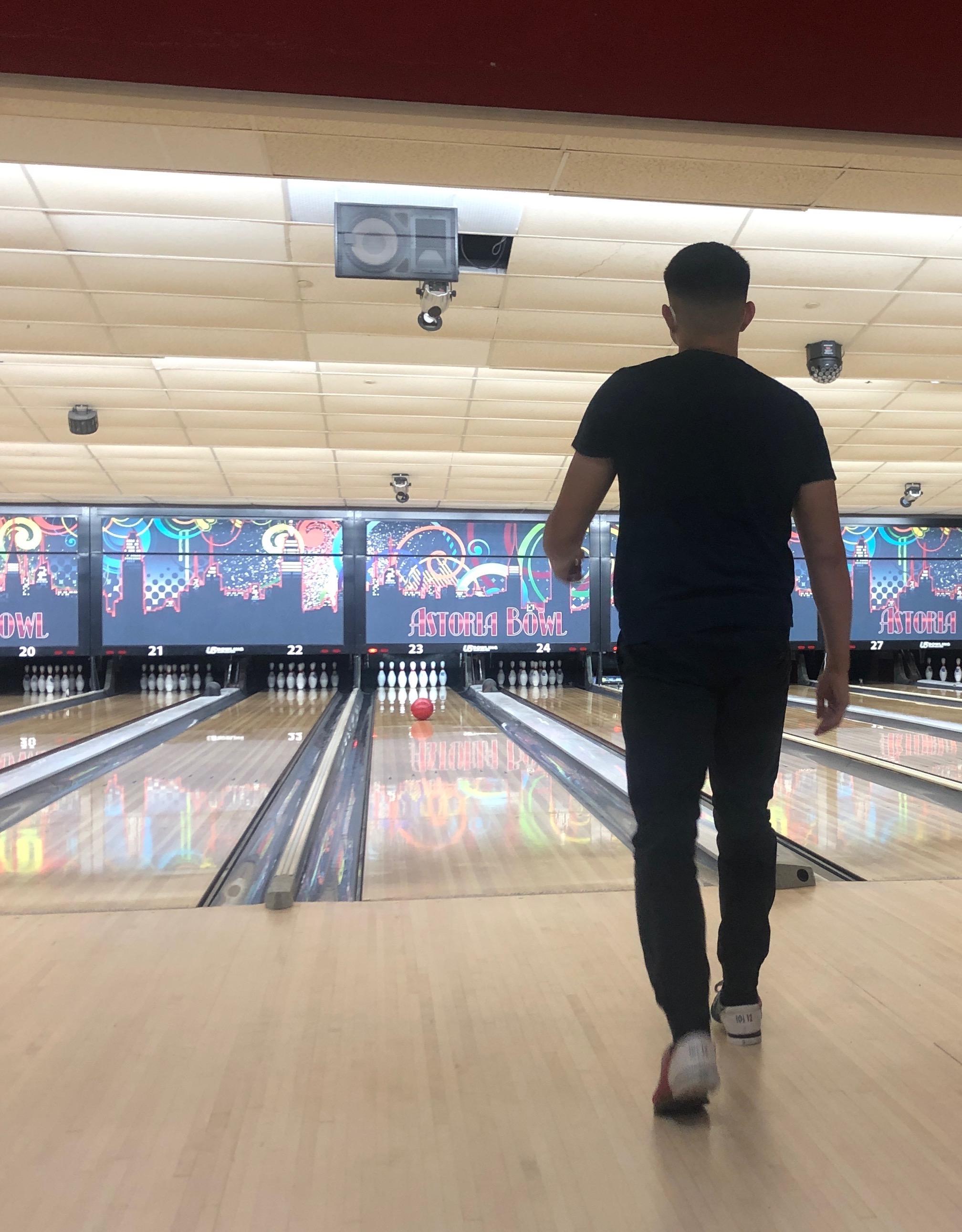
Queens, NY. Oct 2022
Nearly doubled it.
Ten months in, BrightInsight converted me to full time, and my salary went from $75k to $130k. Nearly double, in less than a year.
2022–2025
Health tech raised the bar.
At BrightInsight I worked on HIPAA-regulated health software, where a bug isn’t just a bad deploy. It can touch someone’s health data. That raised my bar for everything: testing, code review, and writing code other engineers could trust without me in the room.
In 2024 I got a raise to $135k, and it’s also where I went back for the degree, on nights and weekends, while shipping full time.
Jul 2025
$170k, and still learning.
In July 2025 I joined Thesis as a software engineer at $170k, and kept the coursework going on nights and weekends.
From $75k to $170k in three and a half years. No degree yet.
2024–2026
The degree, finally.
In January 2024 I enrolled at Western Governors University for a B.S. in Computer Science and did it while working full time: nights, weekends, lunch breaks.
I finished in August 2026. Third school. First degree. It took me eight years longer than the “normal” path, and I’m prouder of it than anything else on this site.
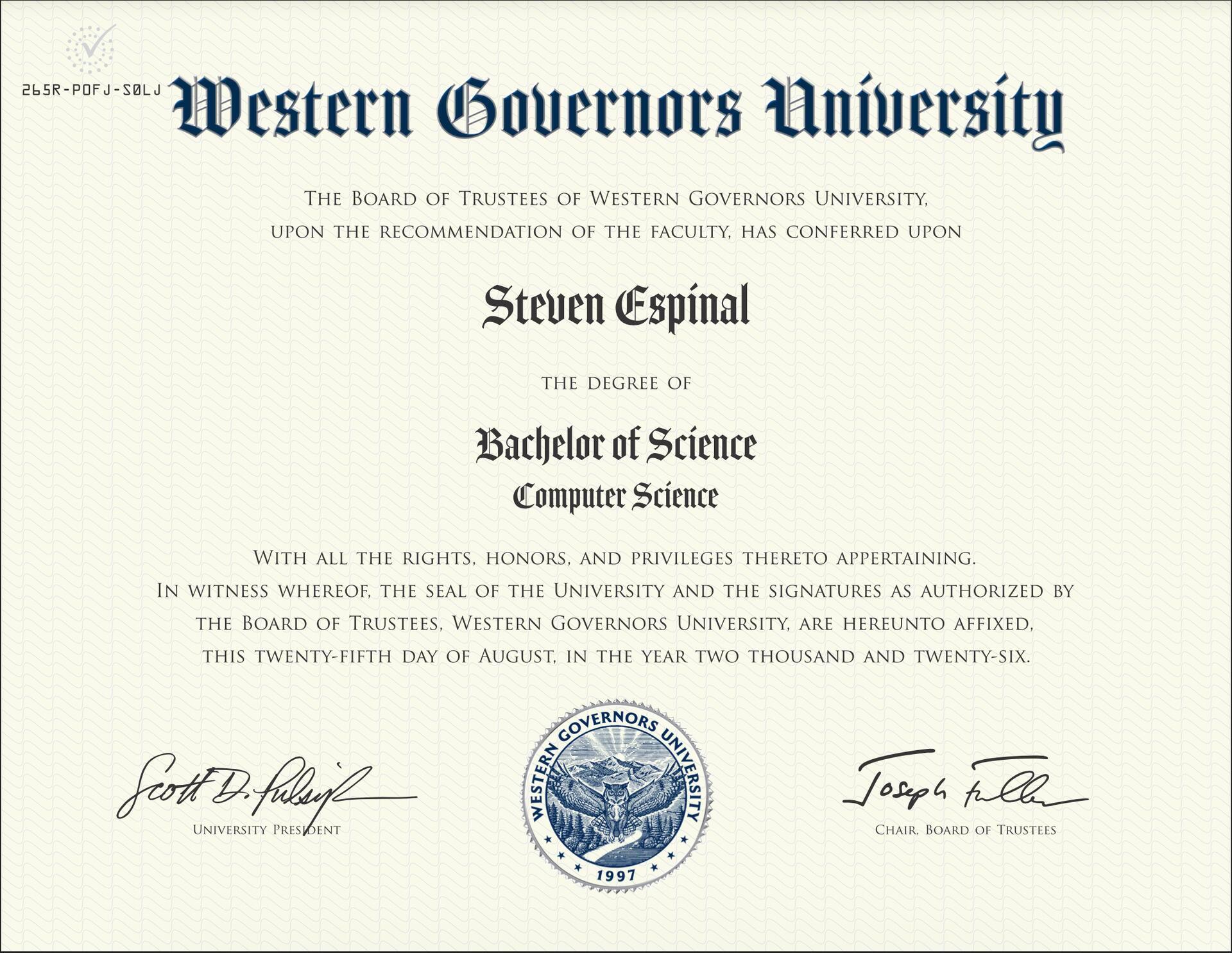
August 2026. Now
Same kid from Queens.
As of August 2026, I’m an Advisor at Anthropic via HireArt. I was raised in Jamaica, Queens. I live in Hell’s Kitchen.
If you want to connect, or just say hi, my email is below. I answer.